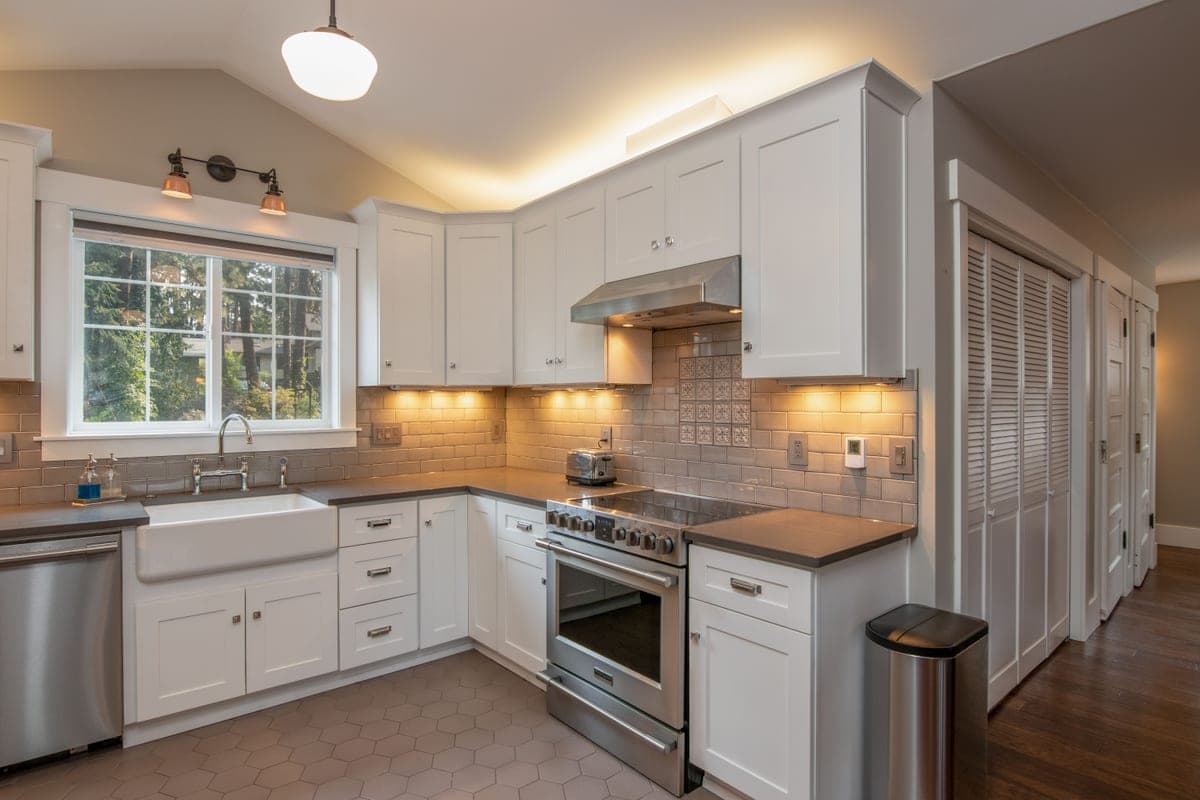
Best overall
The best kitchen trash cans of 2026
Seven cans ranked on pedal durability, lid noise and bag fit — not on finish.
Top pick: simplehuman 45L Rectangular Step Can with Liner Pocket
The can you open twenty times a day. Here is how the category actually splits, what decides the price, and the mistake almost everybody makes.
Lid & Liner is reader-supported. If you buy through a link on this page we may earn a commission at no extra cost to you. It never changes which product we rank first — how we pick and how we make money.
Seven cans ranked on pedal durability, lid noise and bag fit — not on finish.
Top pick: simplehuman 45L Rectangular Step Can with Liner Pocket
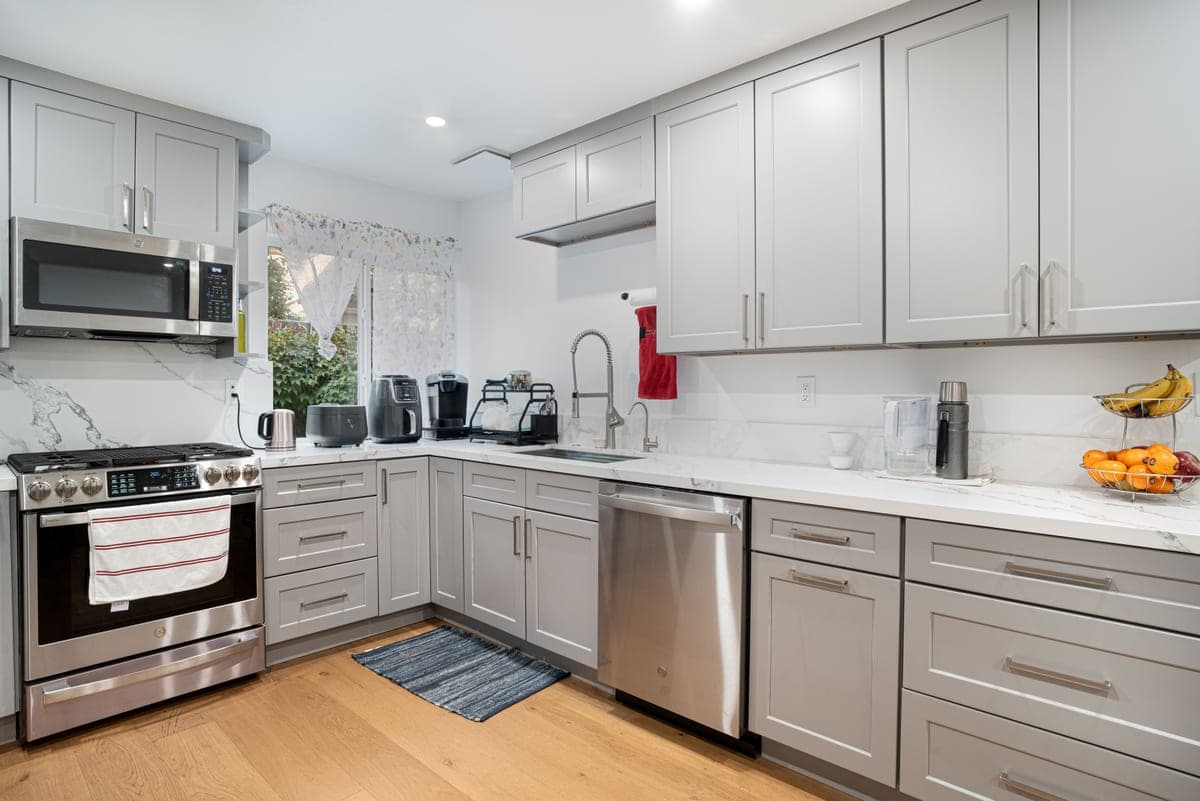
Six cans at the default American size, and which take standard bags.
Top pick: Kohler 13-Gallon Stainless Steel Step Trash Can (K-20940)
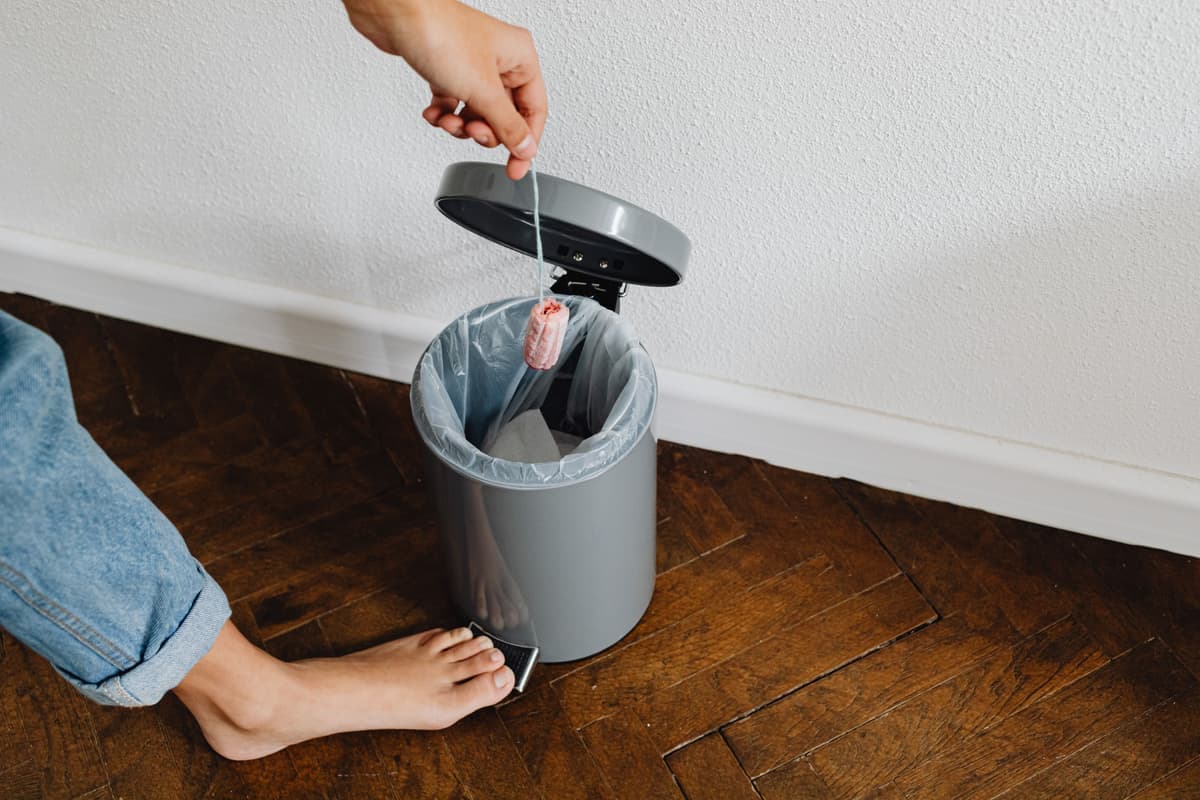
Six pedal cans ranked on published cycle ratings and lid damping.
Top pick: simplehuman 45L Rectangular Step Can with Liner Pocket

Six stainless cans, and the finish comparison nobody publishes.
Top pick: simplehuman 45L Rectangular Step Can with Liner Pocket
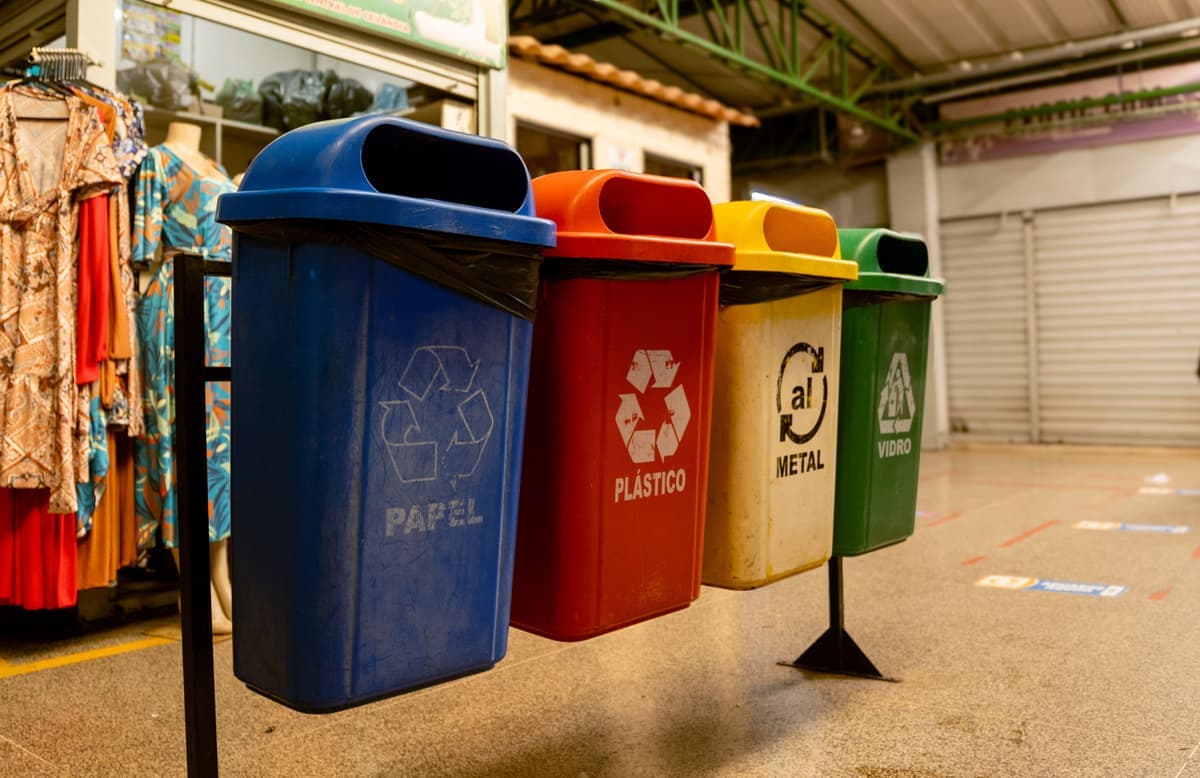
Two-compartment cans compared on split ratio, food waste and liner codes.
Top pick: simplehuman 58L Step Recycler

Five caddies compared on cleanability, filters and how sour they go.
Top pick: OXO Good Grips Easy-Clean Compost Bin, 1.75 Gallon
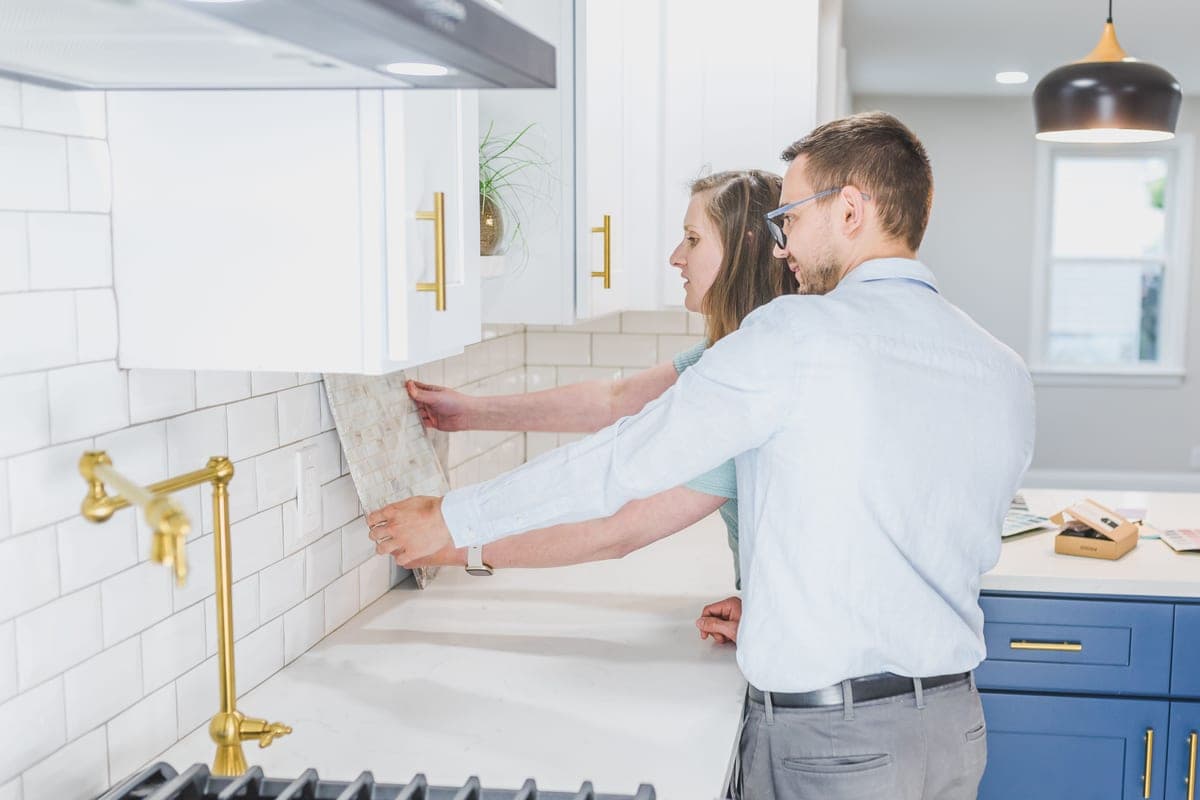
The five measurements to take and the emptying-habit question that sets the size.
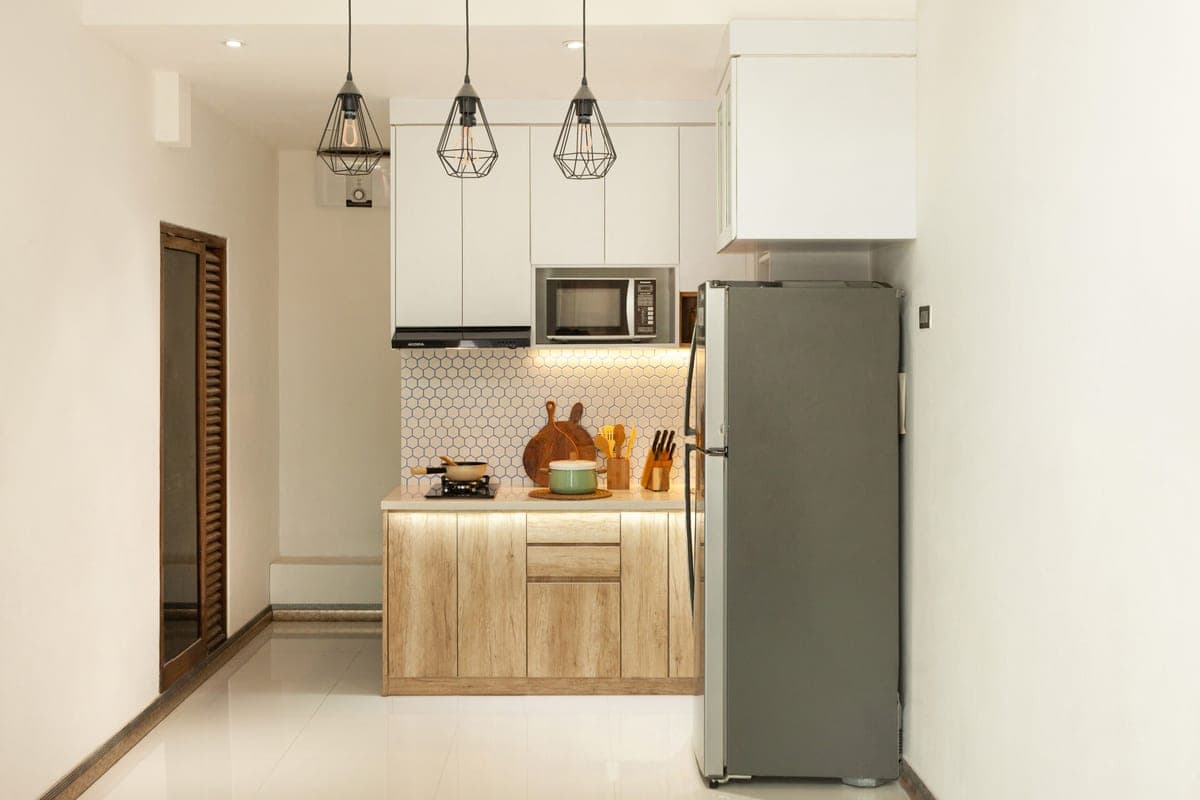
Eight placements that work, ranked, and the two that always go wrong.
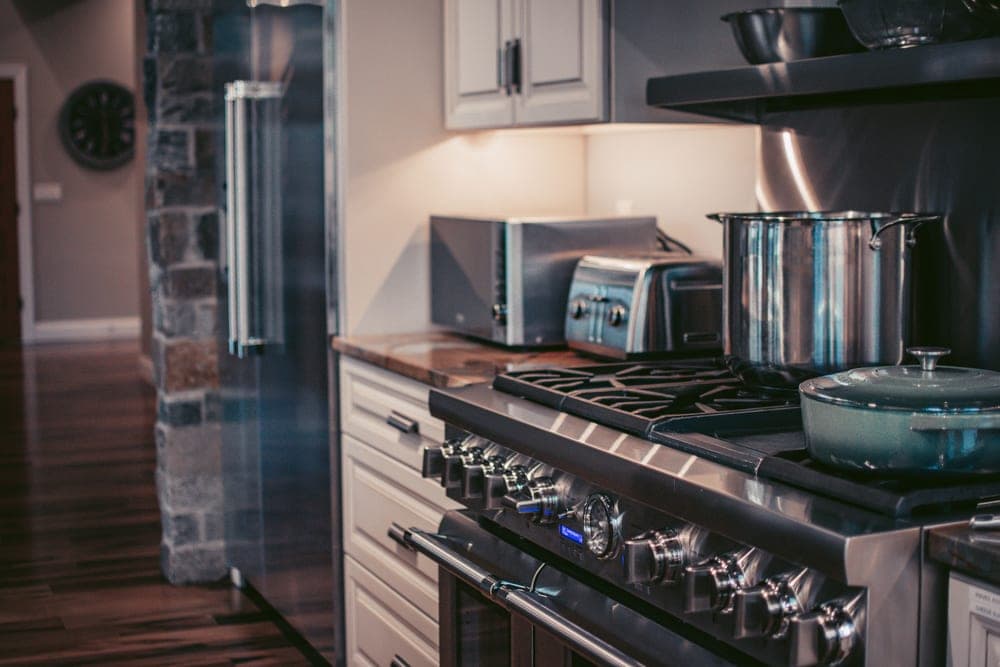
The liner pocket is the point; the liner running cost is the catch.
Top pick: simplehuman 45L Rectangular Step Can with Liner Pocket
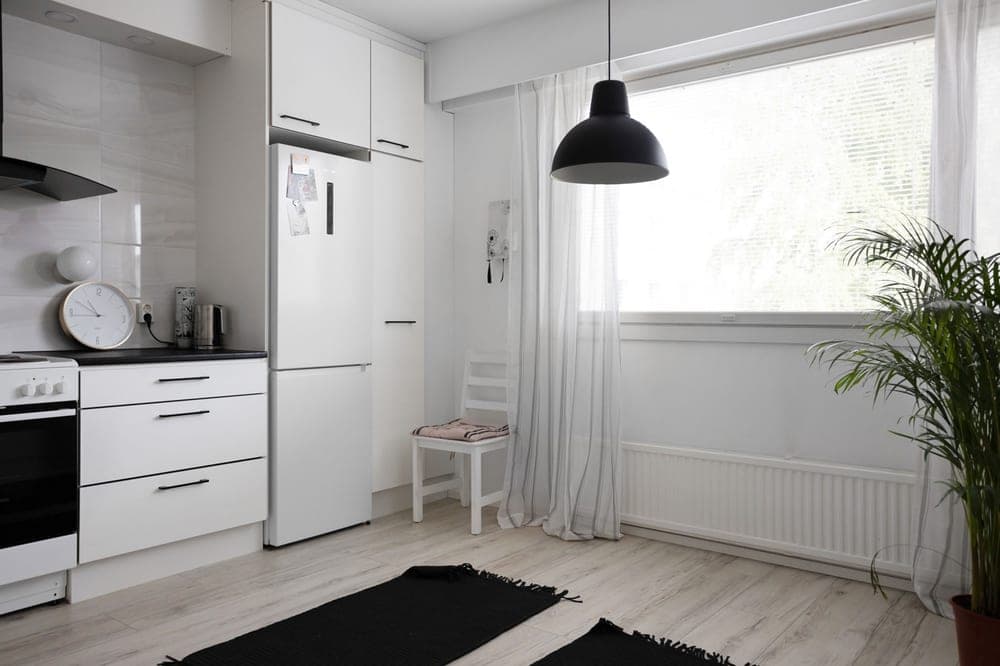
Ten-year guarantee, no pedal linkage — and no hands-free opening.
Top pick: Brabantia Bo Touch Bin, 36 L
Three things: the pedal mechanism, the lid damper, and whether the bag fits. Everything else on the spec sheet is finish.
A kitchen can gets opened somewhere between ten and thirty times a day. Over five years that is fifty thousand cycles, and the pedal linkage is what carries every one of them. Cheap cans use a molded plastic lever on a plastic pin; that is the part that snaps, usually in year two, usually at the pin. Better cans use a steel pedal on a steel linkage, and the good ones publish a cycle rating — simplehuman states 150,000 steps, EKO states over 200,000. Those numbers are manufacturer figures rather than independent test results, but a brand willing to print one is a brand that expects the part to last.
The lid damper is the second differentiator and the one people underrate until they live with it. An undamped lid falls shut with a bang. In an open-plan kitchen next to a living room, or a galley kitchen below a bedroom, that bang is the reason a can gets replaced long before it breaks. A damped lid — simplehuman calls it Lid Shox, Kohler calls it slow-close, Brabantia's Bo has no pedal at all — costs money because it is a real mechanical part.
The third is bag fit, and it is the one this site exists to talk about. A "13-gallon" can and a "13-gallon" bag are not dimensioned to each other; the gallon figure is nominal on both. That is why your bag hangs four inches over the rim and slides down the inside by evening. Some cans solve it with a retaining ring, some with a liner rim, and simplehuman solves it by selling a liner cut to a specific can. We wrote the whole bag-fit problem up separately because it is the single most-asked question in this category and nobody answers it properly.
Kitchen cans divide by opening mechanism first, then by shape. Getting the mechanism right matters more than the finish, because the mechanism is what you interact with.
| Type | Best when | The trade-off |
|---|---|---|
| Step can | Hands are usually full or dirty | A mechanical linkage that eventually wears |
| Touchless / sensor | You want nothing touched at all | Batteries, electronics, and a lid that can close on your hand |
| Touch-top | You want the longest warranty and no linkage | Not hands-free — you have to push the lid |
| Open top | Paper and packaging, fast disposal | No odor containment and no fly barrier |
| Pull-out / under-sink | You want the can out of sight entirely | Cabinet space, an install, and a smaller bucket |
Shape is the second decision, and it is usually decided for you by the room. A rectangular can wastes nothing in a corner. A semi-round can has a flat back that sits flush to a wall with a wide throat at the front. A slim can puts the volume backwards rather than sideways, for the narrow slot beside a fridge. If your can has to live under a counter overhang, look at a butterfly lid, which folds rather than swinging and needs inches of clearance instead of a foot.
Buying on capacity. Thirteen gallons is the default American kitchen size and most households pick it without thinking, then find the can is either always overflowing or always half empty and smelling because the waste sits there for three days before it is worth emptying.
Size to how often you want to empty it, not to how much it holds. A smaller can emptied daily smells dramatically less than a larger one emptied every third day, because odor is a function of time and temperature rather than volume. If you compost or run a food-waste caddy, your main can gets smaller again — the wet, smelly fraction has gone somewhere else. That is also the honest argument for a dual-compartment recycler: most of what goes in a kitchen can is dry packaging, and separating it makes the remaining trash both smaller and less unpleasant.
The second mistake is measuring the floor space and not the lid swing. A step can needs roughly a foot of clear air above it. Measure from the floor to whatever is above the spot — a counter lip, a windowsill, a shelf — before you buy, not after.
Thirteen gallons (about 50 liters) is the American default and it suits most two-to-four-person households emptying every two days. Size down to 8-10 gallons if you compost or recycle heavily, because the remaining trash is mostly dry packaging. Size up to 15-16 gallons only if you are genuinely emptying a 13 every single day. See the full size chart.
The money buys a steel pedal linkage, a damped lid and a liner system — not a finish. If your current can is loud, or its pedal has broken, those are exactly the things you are paying to fix. If your current can works and you just want it to look better, it is a much weaker case. We put the argument in full on is simplehuman worth it.
Because "13 gallon" is a nominal volume on both the can and the bag, not a dimension. A standard 13-gallon bag is cut oversized so it fits a range of cans, which is why it overhangs. Here is what actually fits what.
A step can is mechanically simpler, needs no batteries, and will outlast a sensor can. A sensor can is genuinely better if your hands are often wet or raw — during cooking, with a baby, after handling meat. The deciding question is whether you would rather replace batteries or replace a linkage. Our touchless picks are here.
Over the long run, yes — but not because of the steel body. Plastic is slightly porous and absorbs odor compounds over years, whereas steel does not. In the first year the difference is negligible; what actually controls odor is how often you empty it, whether the lid seals, and whether there is a carbon filter in the lid.