Skip to content
Lid & Liner
Outdoor Trash Cans

The best trash cans for dog poop

A dog-waste can is a storage problem — it sits there getting worse until collection day. A digester removes the storage step entirely, if your soil allows it.

By Ryder M. · Last reviewed September 27, 2026

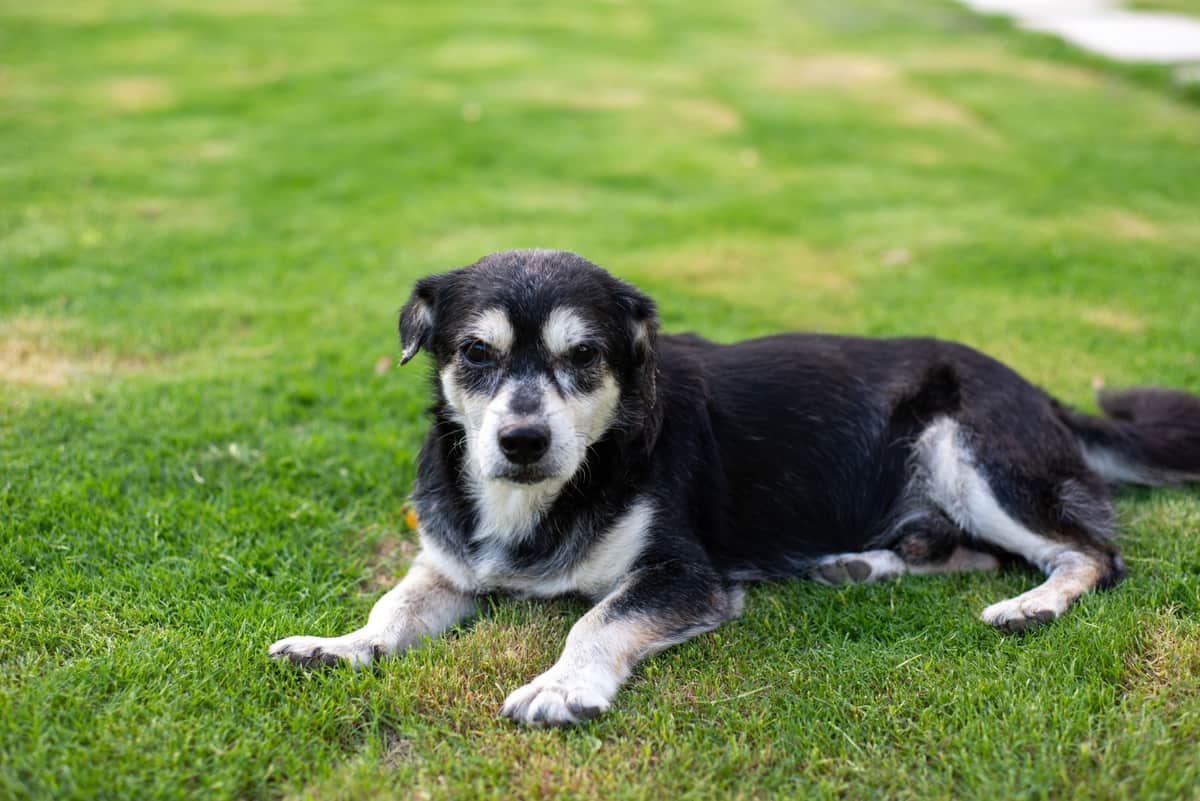
Dog standing on a lawn in a back yard

Lid & Liner is reader-supported. If you buy through a link on this page we may earn a commission at no extra cost to you. It never changes which product we rank first — how we pick and how we make money.

The short answer

If you have a yard with soil that drains, an in-ground digester is the right answer — it removes the storage step rather than managing it. If you do not, a small steel pedal can sited outdoors and emptied often is the practical alternative.

#ProductBest forPrice
01
Dog standing on a lawn beside a garden waste station
Doggie Dooley In-Ground Pet Waste Disposal SystemAn in-ground tank that breaks dog waste down with bacteria and enzymes, so nothing goes into a bag or a bin at all.
Best for a yard
02
Small outdoor steel pet waste can with a foot pedal
Kopuncare 5L Outdoor Dog Poop Trash Can with PedalA small steel pedal can built for outdoors, for a patio or balcony where a full-size waste station would dominate.
Best small pet can
03
Outdoor pet waste station with a foot pedal lid
tebiete Outdoor Dog Poop Trash Can with PedalA pedal-opened outdoor waste station with a removable inner bucket, for yards where a digester will not work.
Best yard waste station
04
Semi-round plastic step trash can with a lid slide lock
simplehuman 50L Semi-Round Step Can with Slide LockThe same semi-round shape with a slide lock that physically holds the lid shut against a determined dog.
Best for pets
05
Small 32 gallon two-wheel outdoor trash cart
Toter Heavy Duty Two-Wheel Trash Cart, 32 GallonThe 32-gallon Toter, for a small household, a tight side return, or anyone who cannot manage a 64 when it is full.
Best small outdoor cart

The ordering above is deliberate: the two approaches solve different problems and the digester only works in specific conditions. Read the soil section before you buy one, because it is not a product you can relocate easily.

How we picked

  • Whether it stores or digests. A fundamental split, and it determines everything else.
  • Hands-free opening. A pedal is close to non-negotiable here for obvious reasons.
  • A removable inner bucket. So the outer body stays clean and the carry to the main can is a small object rather than the whole unit.
  • Genuine outdoor construction. UV and rain-resistant materials, and enough mass to stay upright in wind. An indoor can left outside fails quickly.
  • Size, correctly small. Counter-intuitively, smaller is better here: a small can gets emptied often, and frequency is the actual odor control.

Methodology · disclosure.

The picks in full

Dog standing on a lawn beside a garden waste station

01 — Best for a yard

Doggie Dooley In-Ground Pet Waste Disposal System

An in-ground tank that breaks dog waste down with bacteria and enzymes, so nothing goes into a bag or a bin at all.

Capacity
Up to 2 large or 4 small dogs
Mechanism
Bacteria and enzyme digester tablets
Lid
Foot-pedal operated
Installation
Dig a hole, seat the tank
Requires
Daily water, weekly digester tablet

A dog-waste can is a storage problem — it sits there getting worse until collection day. A digester removes the storage step: waste goes in, a weekly tablet and daily water go in, and enzyme and bacteria action liquefies it into the ground. The lid opens by foot pedal so you never get close to the opening, and it has been made in the USA for over fifty years. The manufacturer states it is non-toxic, non-caustic, safe around domestic animals and harmless to lawns and shrubs.

What we'd flag: it needs a hole in soil that actually drains, and it will not work in heavy clay, in a small paved yard, or where the ground freezes solid for months. Check your soil before you buy — this is not a product you can relocate easily.

Small outdoor steel pet waste can with a foot pedal

02 — Best small pet can

Kopuncare 5L Outdoor Dog Poop Trash Can with Pedal

A small steel pedal can built for outdoors, for a patio or balcony where a full-size waste station would dominate.

Capacity
5 liters / 1.3 gallons
Lid
Soft-close, foot pedal
Material
Steel with a weather- and UV-resistant coating
Inner bucket
Removable, with a handle

Five liters sounds tiny, but for a single dog emptied every couple of days it is right — and a smaller can means it gets emptied more often, which is the actual odor control. The steel body with a weather-resistant coating has enough mass to stay upright in wind, which light plastic pet bins do not. The inner bucket has a handle.

What we'd flag: 1.3 gallons with two dogs is a daily job. Size up if you are not going to do that.

Outdoor pet waste station with a foot pedal lid

03 — Best yard waste station

tebiete Outdoor Dog Poop Trash Can with Pedal

A pedal-opened outdoor waste station with a removable inner bucket, for yards where a digester will not work.

Lid
Hands-free foot pedal
Inner bucket
Removable
Material
Rain- and UV-resistant PVC
Includes
Waste bags

If your ground will not take a digester, the next best thing is a dedicated outdoor can that never comes inside. The pedal means no hands near the lid, the inner bucket lifts out so the outer body stays clean, and the PVC body is built for rain and UV rather than being an indoor can left outside. Waste bags are included.

What we'd flag: it stores rather than digests, so it still smells on a hot day and still needs emptying into your main can. Site it away from windows.

Semi-round plastic step trash can with a lid slide lock

04 — Best for pets

simplehuman 50L Semi-Round Step Can with Slide Lock

The same semi-round shape with a slide lock that physically holds the lid shut against a determined dog.

Capacity
50 liters / 13.2 gallons
Lock
Mechanical slide lock
Pedal rating
150,000 steps (manufacturer figure)
Body
Plastic
Lid
Soft-close (Lid Shox)

Dogs do not defeat trash cans by cleverness, they defeat them by weight — nosing the lid until it lifts. A mechanical slide lock removes that possibility entirely, and unlike a strap it does not need re-fitting every time you empty the can. The plastic body also survives being knocked over, which a brushed steel one does not, cosmetically.

What we'd flag: the lock is a conscious action. You have to slide it every single time, and the first week you will forget. If you know you will not do it, buy a can with a heavier lid instead.

Small 32 gallon two-wheel outdoor trash cart

05 — Best small outdoor cart

Toter Heavy Duty Two-Wheel Trash Cart, 32 Gallon

The 32-gallon Toter, for a small household, a tight side return, or anyone who cannot manage a 64 when it is full.

Capacity
32 gallons
Construction
Advanced rotational molding
Wheels
Two
Warranty
10 years

The same construction and the same ten-year warranty in a size a smaller person can steer up a slope when loaded. For a one or two-person household a 64 is mostly empty air anyway, and an emptier can smells less.

What we'd flag: 32 gallons is one week of trash for two people and no more. If you have a yard or do a monthly clear-out, you will be stacking bags beside it.

Digester or can?

In-ground digesterOutdoor waste can
What it doesBreaks waste down into the groundStores it until collection day
Ongoing smellMinimal — nothing accumulatesReal, and worse in heat
NeedsSoil that drains, and a holeSomewhere out of the way
Running costDigester tablets and waterBags
Works in winterPoorly if the ground freezesYes
Works on a paved yardNoYes
MovableNot easilyYes
EffortDaily water, weekly tabletEmptying

Check your soil before buying a digester

A digester works by bacterial and enzyme action liquefying the waste so the surrounding ground absorbs it. That requires ground that actually absorbs. Heavy clay does not drain, a high water table does not leave anywhere for the liquid to go, and ground that freezes solid for months stops the bacteria working entirely. A small paved yard rules it out completely.

The quick test: dig a hole about a foot deep, fill it with water, and see how long it takes to drain. If it is gone within a few hours, you are fine. If it is still there the next day, a digester will become a pit of standing liquid, which is dramatically worse than the problem you started with.

Why this smells worse than ordinary trash

Dog waste produces ammonia, from nitrogen breakdown, rather than the putrescine-and-sulfur mix of general kitchen waste. Ammonia is sharp, it travels further, and crucially it is masked very badly by fragrance — which is why scented bags and air fresheners fail conspicuously here.

  • Keep it out of the house entirely. This is the main one. An indoor can holding dog waste for a week is the worst configuration available.
  • Small can, emptied often. Frequency beats capacity. A 5-liter can emptied every two days beats a 20-liter one emptied weekly by a wide margin.
  • Site it away from windows and doors, and out of direct sun. Heat compounds everything.
  • Do not put it in the garage. A garage is heat plus no ventilation plus a week-long hold, and there is usually a door into the house. Why garages are the worst case.
  • A baking soda powder helps; a fragrance does not. Which deodorizers do what.

Before you buy anything

  1. Check whether your municipal collection accepts pet waste, and in what. Some require double-bagging, some exclude it entirely, and this varies enough that we are not going to guess at yours.
  2. Do the drainage test if you are considering a digester. Ten minutes now beats an unmovable mistake.
  3. Decide where it will live — away from windows, out of sun, and somewhere you will actually walk to with a bag in your hand.
  4. Size it small. The instinct to buy big is wrong here for once.
  5. Plan the winter. A digester slows or stops in freezing ground, so you may need a can as well for a few months of the year.

Two things worth having alongside whichever you choose: a baking soda powder, which neutralizes rather than masks, and a fragrance-free plant-oil sachet if scented products make it worse for you.

Container of powdered trash can deodorizer

Best for outdoor cans

Arm & Hammer Trash Can & Dumpster Deodorizer, 42.6 oz

Baking soda in a sprinkle-top jar, sized for the outdoor can where a lid pod would be pointless.

Odor eliminating sachet packs for trash cans

Best fragrance-free option

Fresh Wave Odor Eliminating Packs

A plant-oil sachet that lasts a couple of weeks to a month and does not add a fragrance of its own.

Common questions

What is the best trash can for dog poop?

An in-ground digester if your soil drains, because it removes the storage step rather than managing it. If your ground will not take one, a small steel pedal can sited outdoors and emptied every couple of days.

Do dog waste digesters actually work?

Yes, in suitable ground — bacteria and enzyme tablets liquefy the waste and the soil absorbs it. They need soil that drains, daily water and a weekly tablet, and they slow or stop when the ground freezes.

Why does dog waste smell so much worse in a bin?

It produces ammonia from nitrogen breakdown rather than the compounds general kitchen waste produces. Ammonia is sharp, travels further, and is masked very badly by fragrance — which is why scented products fail here.

Can I put dog poop in my regular trash can?

Usually yes, often with conditions like double-bagging, but rules vary by municipality and some exclude it. Check locally. Even where it is allowed, a week in a warm can is the worst version of it.

Can I compost dog waste?

Not with your food compost. Dog waste can carry pathogens that domestic heaps do not get hot enough to destroy, and it must never go into compost used for growing food. A dedicated digester is a different process.

What size dog waste can do I need?

Smaller than you think. A 5-liter can emptied every couple of days beats a 20-liter one emptied weekly, because frequency is the actual odor control. Size up only if you have several dogs.

Sources

Every specification on this page traces to one of these, checked at the time of writing. Where a manufacturer does not publish a figure, the page says so rather than estimating it.

Read next

The author

Ryder M.

Owner and editor of Lid & Liner, published by Magoo Media Group. He started the site after getting tired of the same problem everyone has: every “best trash can” article covers ten products and none of them tells you whether a 13-gallon bag actually fits a 13-gallon can. Lid & Liner covers one category and tries to cover it completely.

Last reviewed September 27, 2026. Spotted an error? Tell us and we will correct it and note the correction.