Reference
Trash can size chart
Every common can size in gallons, liters and quarts, with the matching bag.
The reference section. Gallons to liters, can dimensions, which bag actually fits which can, and why yours keeps sliding down the inside.

Lid & Liner is reader-supported. If you buy through a link on this page we may earn a commission at no extra cost to you. It never changes which product we rank first — how we pick and how we make money.
Every common can size in gallons, liters and quarts, with the matching bag.
Real dimensions by can style, including the lid-open height nobody measures.

The fit matrix with real measured bag dimensions, and the overhang arithmetic.
The full ladder, mil thickness explained, and the 13-to-20-gallon gap.

What the difference actually is, what it costs, and when a coded liner pays.

The mechanism behind the overhang, and five fixes ordered by cost.

Six bags compared on construction, thickness and the dimensions that decide fit.
Top pick: Glad ForceFlexPlus Tall Kitchen Drawstring Trash Bags, 13 Gallon
Because "13 gallon" is a marketing number on both the can and the bag, and neither one is a dimension.
A trash can's stated capacity is the volume of the void inside it, rounded. A trash bag's stated capacity is the volume it will hold when filled to a level the manufacturer considers sensible, also rounded — and cut deliberately oversized so one bag fits a wide range of cans. Two products both labeled 13 gallon can therefore differ by four or five inches of circumference and six inches of height, and both labels are accurate.
The consequence is the thing everyone lives with: the bag hangs over the rim, looks untidy, and slides down the inside of the can as it fills until the trash is sitting against bare plastic. It is not your can and it is not your bag. It is that the category never agreed on a dimensional standard, and no manufacturer has an incentive to publish one. The full explanation is here, and here is what actually fits what.
Across every spec sheet we pulled for this category, three brands publish usable internal dimensions and the rest do not. That gap is the reason this hub exists. Where a manufacturer states a figure we cite it; where they do not, we say so, because "the manufacturer does not publish this" is itself useful information when you are trying to work out whether a liner will fit.
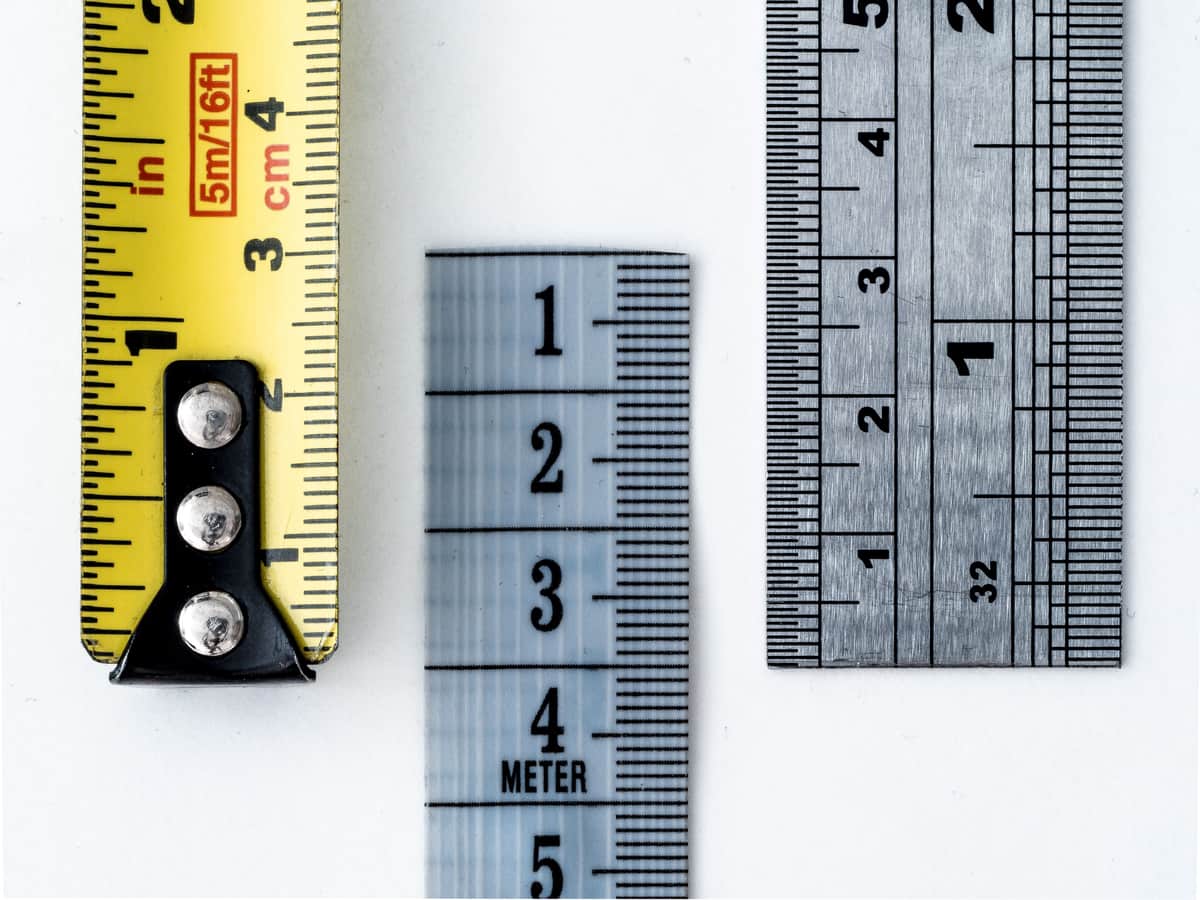
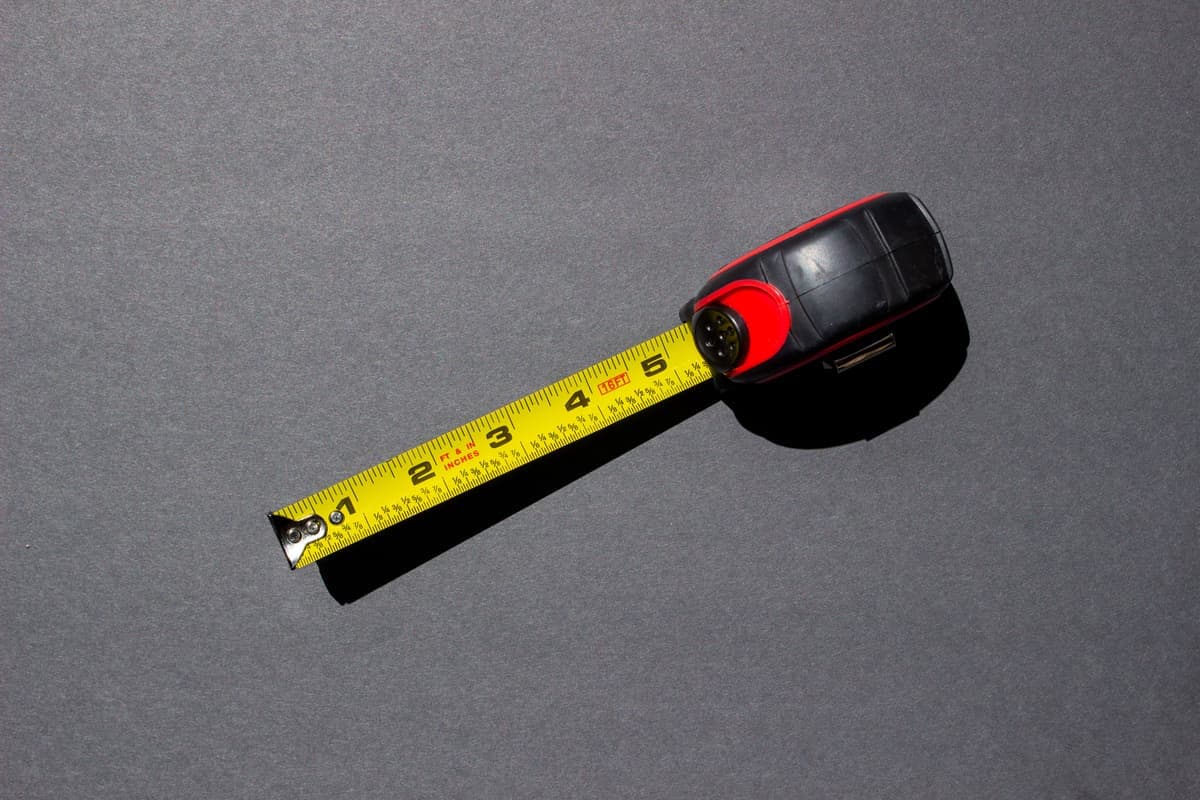
If your can is not in any chart — and plenty are not — measure it yourself. You need three numbers and a tape.
Bag sizing is quoted as flat width by length. As a working rule, a bag needs a flat width of a little over half the can's rim circumference to wrap without stretching, and a length equal to the internal height plus about eight inches for the fold. That arithmetic is shown rather than asserted on the bag-fit page so you can check it against your own can.
Outdoor cans follow the same logic at a bigger scale, and the stakes are higher because contractor bags cost more. Outdoor can sizes are here.
A 13-gallon can is roughly 24 to 28 inches tall with a rim circumference around 40 to 48 inches, depending on shape — a tall rectangular can and a semi-round one of the same stated volume have quite different dimensions. Full dimensions by can style.
About 49.2 liters. That is why cans sold in both markets are labeled 50 liters — it is the same can, rounded up. Most manufacturers use 13 gallons and 50 liters interchangeably.
A 13-gallon "tall kitchen" bag is the intended match, and it will overhang the rim by roughly three to five inches. That overhang is designed in so one bag size fits many cans. The full fit matrix is here.
The usual ladder is 13, then 20-30 (large trash bags), then 33, then 42-45 (contractor bags), then 55-plus. There is no standard 15 or 18-gallon household bag despite cans being sold at those sizes. The full ladder is here.
Fifty-two quarts, since there are four quarts to a US gallon. This matters mostly for cabinet pull-out bins, which are almost always quoted in quarts — a 35-quart pull-out bucket is about 8.75 gallons.