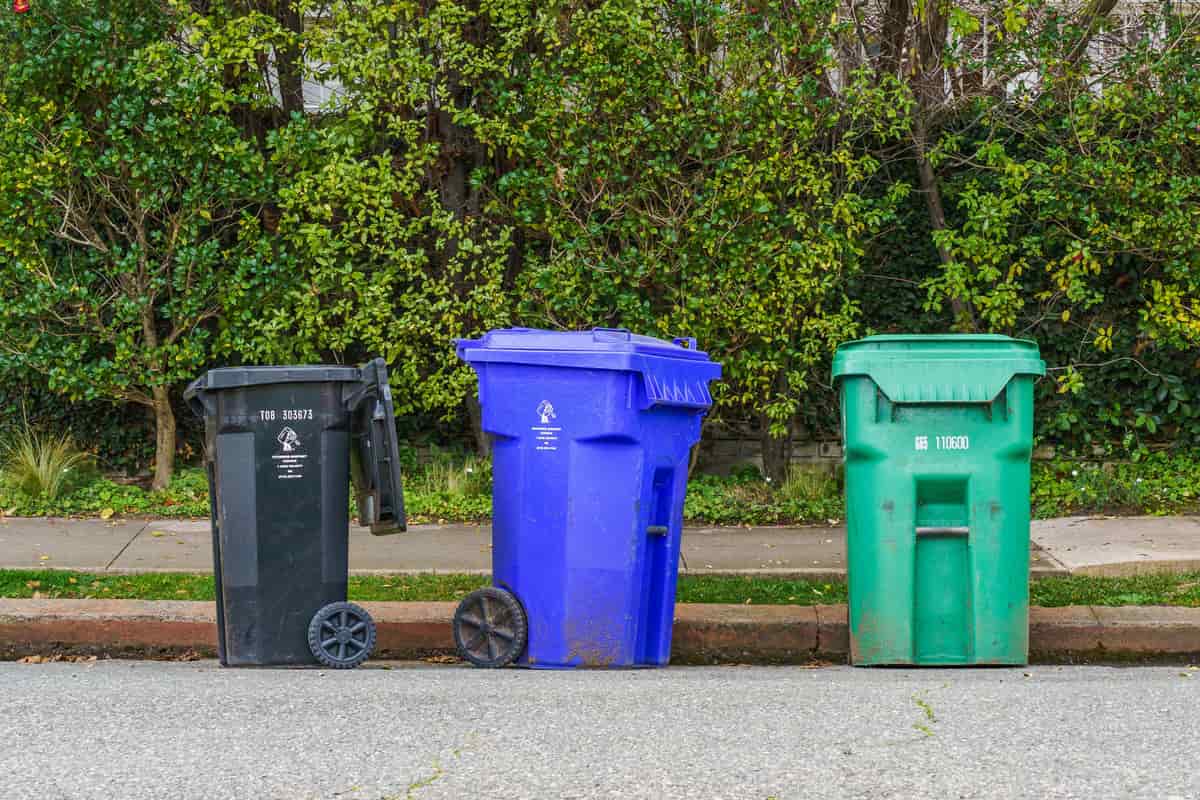
Best outdoor can
The best outdoor trash cans
Six outdoor cans on construction, lid design and what your hauler will lift.
Top pick: Toter Heavy Duty Two-Wheel Trash Cart, 64 Gallon
Raccoons are better at this than you are. Plan accordingly — and understand what your hauler will and will not empty before you spend anything.
Lid & Liner is reader-supported. If you buy through a link on this page we may earn a commission at no extra cost to you. It never changes which product we rank first — how we pick and how we make money.
Six outdoor cans on construction, lid design and what your hauler will lift.
Top pick: Toter Heavy Duty Two-Wheel Trash Cart, 64 Gallon

Straps and cans compared — and why the cheapest option is usually the answer.
Top pick: Encased Trash Can Lock, Bungee Cord (30-55 gallon cans)

Four straps and locks on fit range, materials and winter survival.
Top pick: Blazer Brand Strong Strap Trash Can Bungee, 48 in

Why retrofits mostly do not work, what certification means, and the routine.
Top pick: Bearicuda Stealth Bear-Resistant Curbside Can
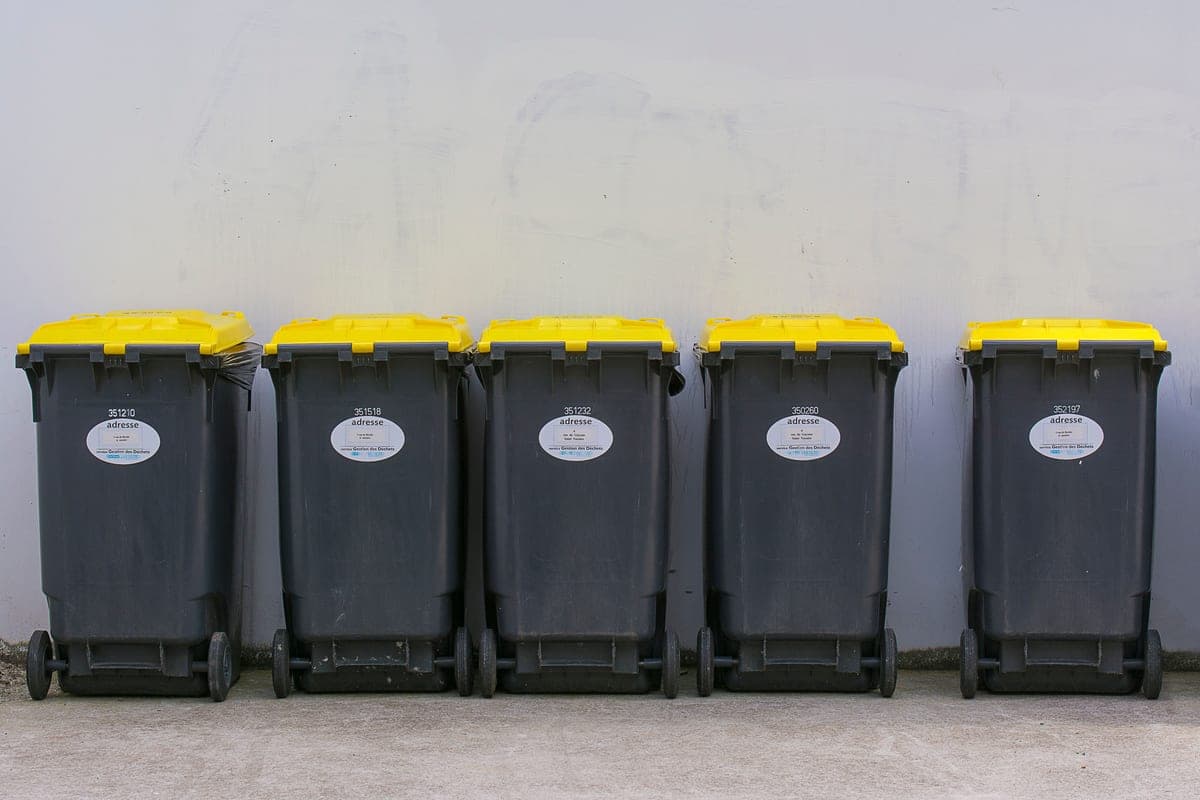
What each cart size holds, which your hauler lifts, and the practical limits.

Five wheeled cans on construction, warranty and the axle that actually fails.
Top pick: Toter Heavy Duty Two-Wheel Trash Cart, 64 Gallon
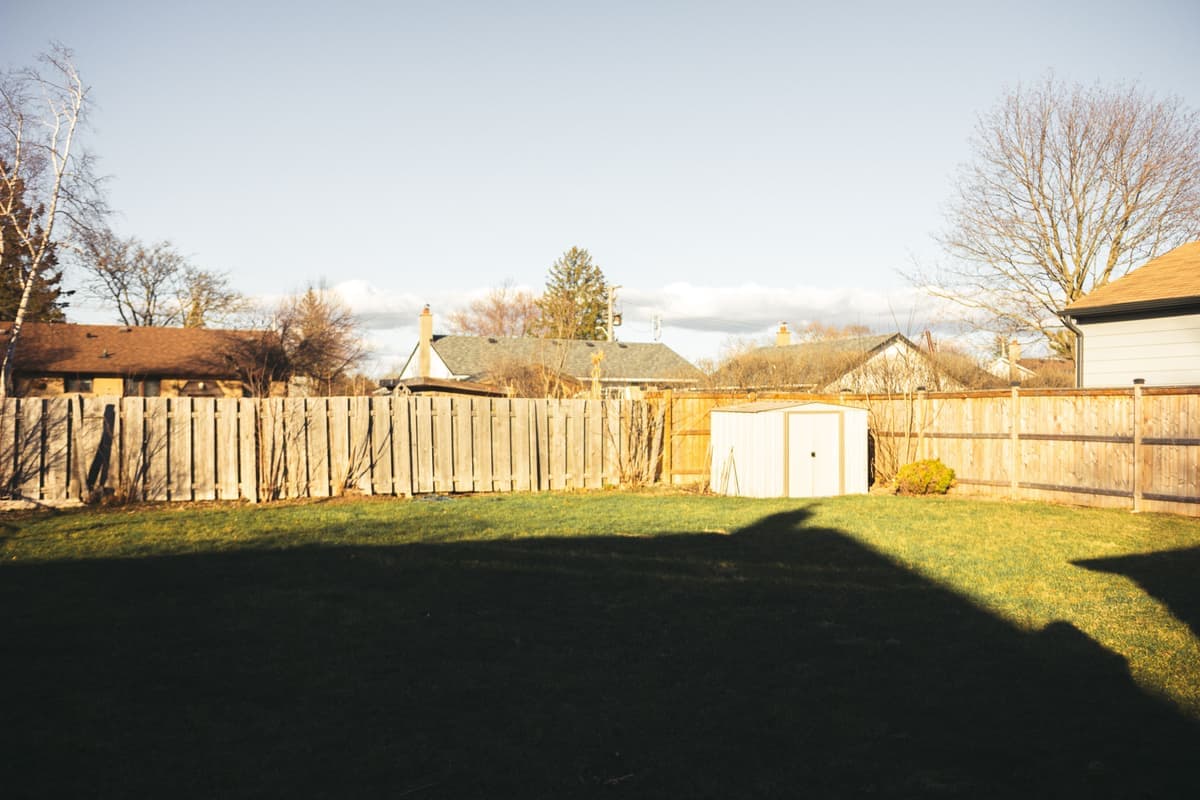
Five enclosures on what they actually fit, and the lift-lid detail that matters.
Top pick: Keter Store-It-Out MIDI Outdoor Resin Storage Shed
Five options, including the digester that removes the storage problem entirely.
Top pick: Doggie Dooley In-Ground Pet Waste Disposal System
What your hauler collects, and how. It decides most of the rest.
Many American households are on automated collection — a truck with a mechanical arm that grips a cart by its body and tips it. Those trucks are built around specific cart profiles, usually 32, 64 and 96 gallons, and an arm cannot grip an old-fashioned round can with a loose lid. If you are on automated collection, the can is effectively chosen for you and the only real decision is the size.
Two things follow that people find out the hard way. A strap or a lid lock may stop the arm working, in which case your cart goes unemptied and you still have the raccoon problem plus a week of trash. And if your municipality issues carts, buying your own may be wasted money — check first. Sizes and what each one means in practice.
There is a hierarchy here and marketing copy blurs it. A raccoon opens a can by putting its weight on the rim and levering the lid; it has hands and it is patient. A bear does not lever, it crushes and tears, and nothing sold as raccoon-proof will stop one.
| Threat | What actually works | What does not |
|---|---|---|
| Crows, squirrels | Any lid that stays on — an attached hinged lid is enough | Loose lids resting on a rim |
| Raccoons | A tensioned strap or a latching lid, consistently fitted | Weight on the lid, bungees left slack, ammonia |
| Dogs (yours or a neighbor's) | A latch or a can they cannot tip | Anything that relies on the can staying upright |
| Bears | A certified bear-resistant container, and a routine change | Straps, enclosures, bleach, motion lights |
The cheapest thing that works is usually a strap on the can you already own, which is why our raccoon page starts there rather than with a new can. The catch is compliance: a strap only works if every person in the household re-fits it every single time, and that is a bigger ask than it sounds.
This is the half of the problem nobody plans for. A cart standing at the side of the house for six days is the thing that attracts animals, holds heat, and looks bad from the kitchen window. An enclosure solves the look and the wind, and partially solves the animals — a resin cabinet with unlocked doors is a deterrent, not a barrier, and we say so plainly on the enclosures page.
If the can lives in a garage rather than outside, the problem changes shape entirely: no rain, no animals, but no airflow and a lot of heat. That case has its own page. And if what goes in it is dog waste, site it away from windows and size it small, because a small can emptied often smells far less than a large one that sits.
The most reliable setup is a rotationally molded cart with an attached hinged lid plus a tensioned strap. The hinged lid removes the easy win, the strap defeats the levering. A latching resin can is the next best thing if a cart does not suit the space. Our picks are here.
Yes, when they are actually fitted. A tensioned bungee defeats the lever-with-bodyweight method that raccoons use. The failure mode is human rather than mechanical — one person in the household who does not re-fit it undoes the whole thing. Which straps last.
Thirty-two gallons suits one or two people, 64 suits a typical family, and 96 is for households that would otherwise put two cans out. Check your hauler accepts the size first — not all collect 96s. Sizes explained.
Yes — a certified bear-resistant latch stops everything smaller. It is overkill and considerably more expensive if bears are not a genuine risk where you live, and the latch is deliberately harder for you to open as well.
Physically yes, but check with your hauler before you do. Automated collection arms cannot open a latched or strapped lid, so a locked cart may simply be skipped. Some haulers will hand-empty on request; many will not.