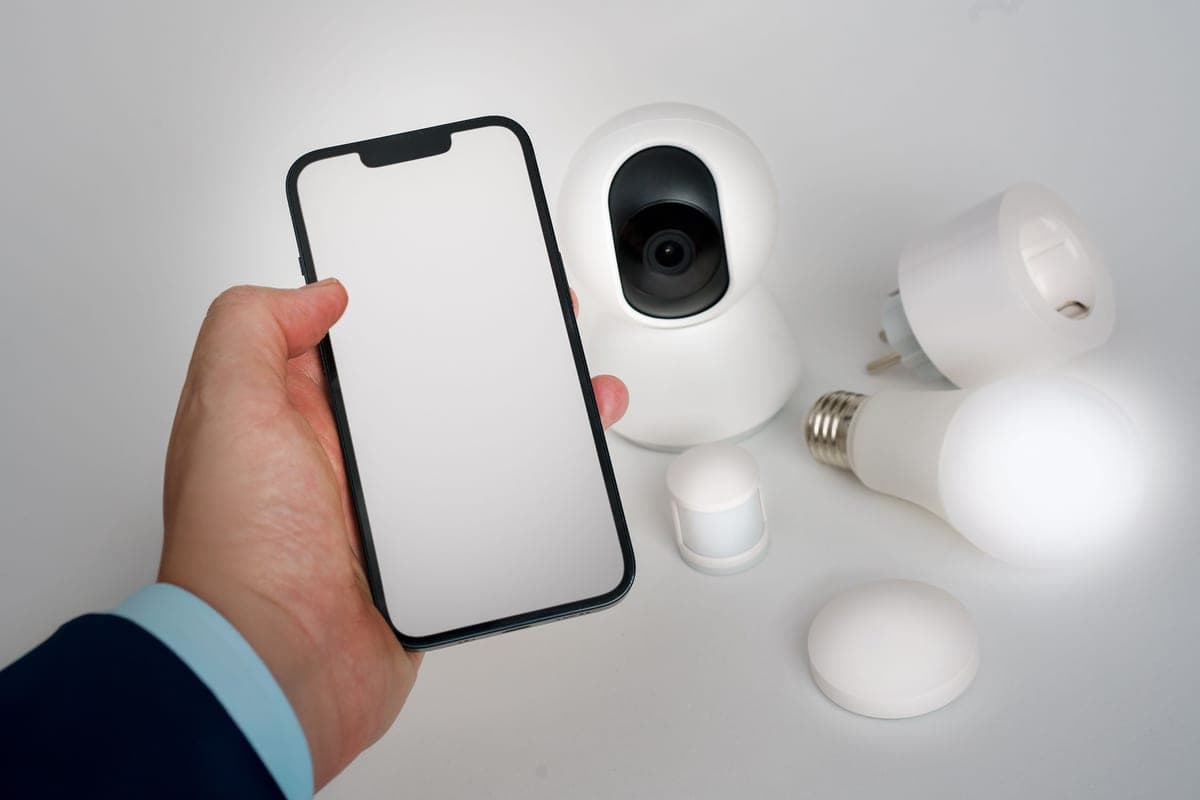
Best touchless
The best touchless trash cans of 2026
Seven sensor cans compared on sensor behavior, battery life and warranty.
Top pick: simplehuman 58L Sensor Can
Sensor cans are the most-returned product in this category, and almost always for the same reason. Here is what separates the ones people keep.

Lid & Liner is reader-supported. If you buy through a link on this page we may earn a commission at no extra cost to you. It never changes which product we rank first — how we pick and how we make money.
Seven sensor cans compared on sensor behavior, battery life and warranty.
Top pick: simplehuman 58L Sensor Can
Six automatic cans, and which automation is genuinely useful.
Top pick: simplehuman 58L Sensor Can
Five small cans for bathrooms, including why a sensor is often the wrong call.
Top pick: simplehuman 4.5L Round Step Can
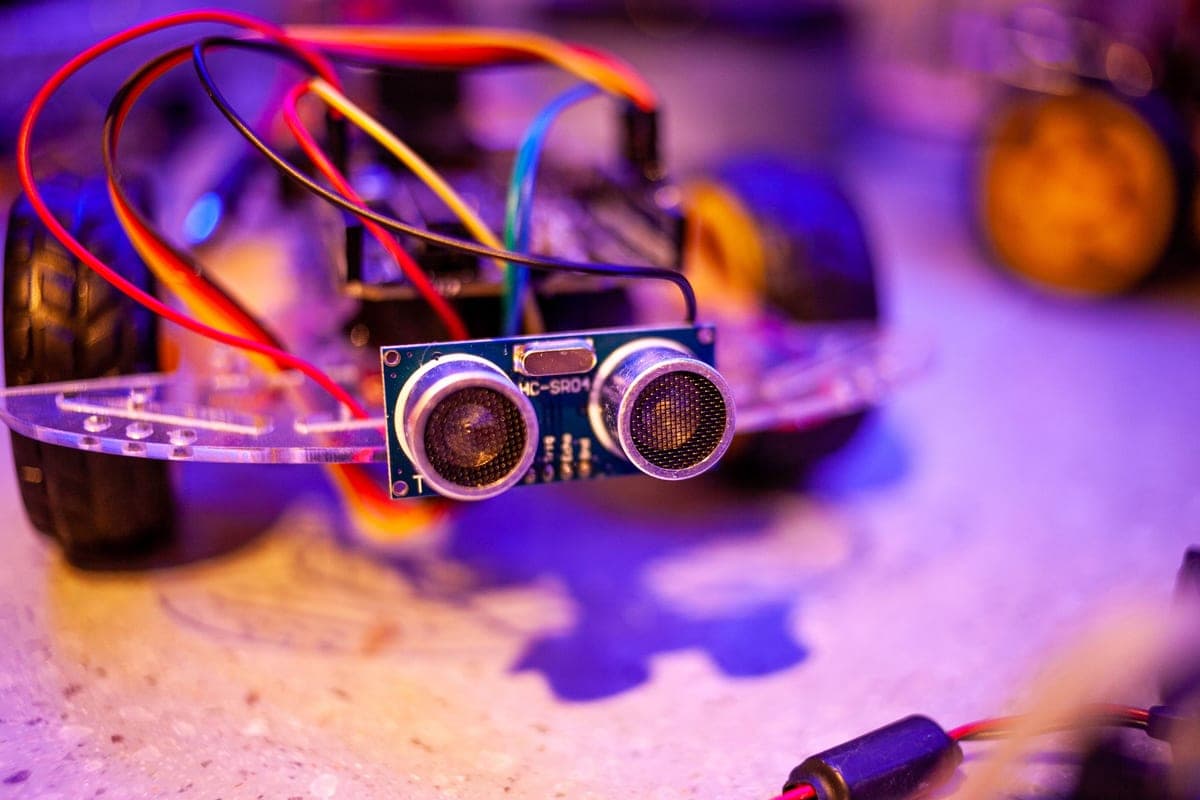
What the sensor actually detects, and why that explains every misfire.
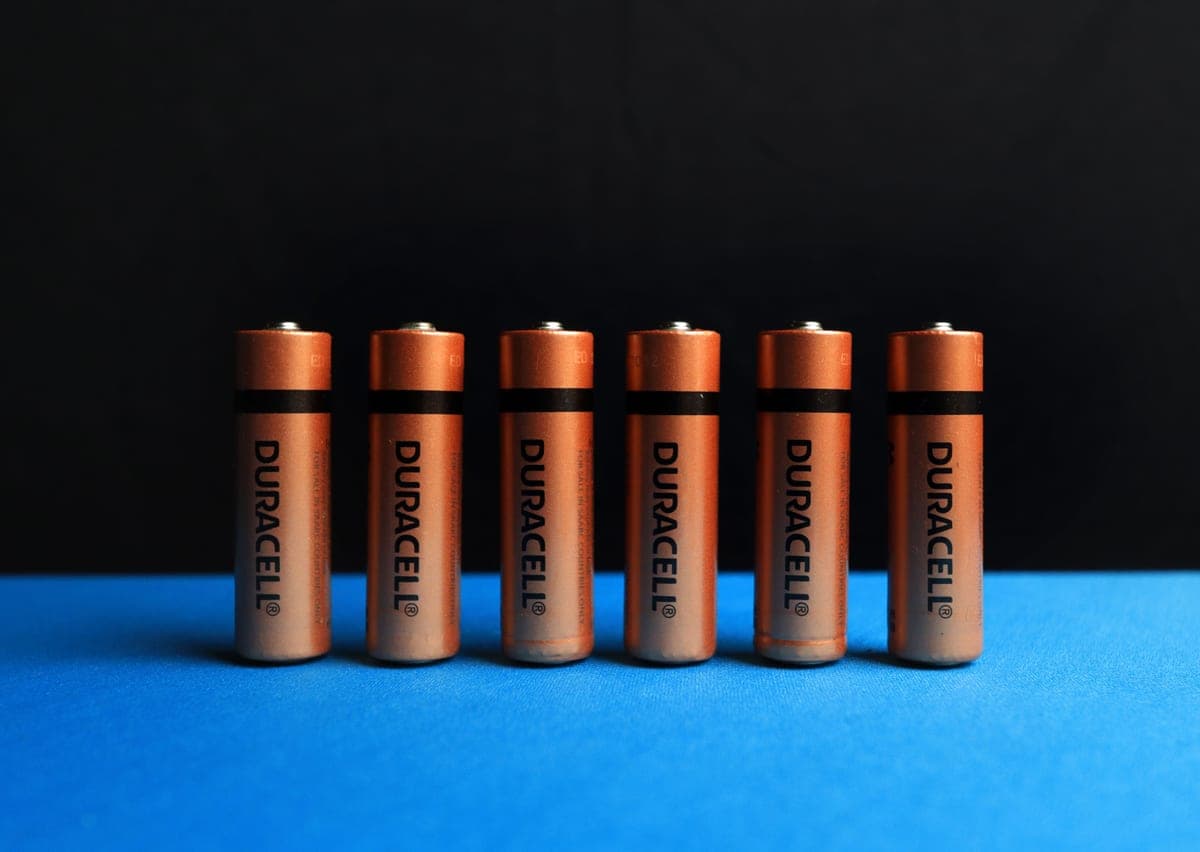
What each brand takes, how long it lasts, and when mains power pays off.

Six checks in order of cost, and an honest point at which to stop repairing.

The adaptive sensor is the reason to buy; the price is the reason not to.
Top pick: simplehuman 58L Sensor Can
Standard bags, a filter in the lid, an AC option — and a one-year warranty.
Top pick: iTouchless 13 Gallon SensorCan with AbsorbX Odor Filter
The category's only published battery figure, plus a manual hold-open mode.
Top pick: Ninestars DZT-50-9 13.2 Gallon Motion Sensor Trash Can
Whether the lid closes while your hand is still over the opening.
Nearly every complaint about sensor cans reduces to this. You scrape a plate, pause for two seconds to get the last of it off, and the lid shuts on the spatula. Do that four times a week and the can goes back in the box.
There are two sensor behaviors on the market and manufacturers rarely label which one you are getting. A fixed-timer sensor opens on detection and closes a set number of seconds later regardless of what you are doing — this is what almost every budget can uses. An adaptive sensor holds the lid open for as long as it still sees you and only starts the close timer once you step back. simplehuman's adaptive sensor is the best-known implementation and is most of what you are paying for.
If a fixed-timer can is what fits your budget, look for a manual mode instead. Ninestars builds one in: a button that holds the lid open until you press it again, which solves the big-clean-up case even though it does not solve the two-second pause.
This is where the published figures actually differ in a useful way. Ninestars states roughly 10,000 open-close cycles from three C cells, which on twenty opens a day is well over a year. iTouchless runs on four D cells and sells an optional AC adapter, which removes the consumable entirely if you have an outlet near the can.
Two practical notes. First, alkaline cells in a cold garage or an unheated utility room lose capacity fast, so a sensor can in an outbuilding is a worse idea than it looks. Second, a sensor that starts double-triggering — opening at nothing, closing early — is almost always a battery symptom rather than a fault, and it appears long before the can stops working entirely. We wrote up what powers these cans and what it costs to run them in full.
Honesty first: a sensor can is a more complicated object with a shorter expected life than a good step can. It has electronics, a motor, a battery compartment and a gasket, any of which can fail. Warranties reflect that — iTouchless offers one year, where Brabantia guarantees its touch-top Bo for ten.
What you get in return is real, though, and it is not just convenience. Not touching the can means not transferring raw-meat bacteria to a lid handle that nobody ever washes, which matters more in a kitchen than most people credit. It also means the lid stays closed the rest of the time rather than being propped, which is the actual reason sensor cans often smell less than open ones — sealed headspace, not magic. If odor is your main problem, pair the can with a carbon filter in the lid, and sealed lids are also what keeps fruit flies out.
Usually one of three things: the sensor has line of sight to a passing walkway, something reflective sits in front of it, or the batteries are low. Low batteries cause erratic triggering long before they cause failure. Move the can out of a traffic path first, then swap the cells.
Ninestars publishes roughly 10,000 open-close cycles from three C cells, which is about a year on ordinary household use. Expect less in a cold room, and less again if the sensor is false-triggering. Full detail here.
In the specific sense that matters: you are not putting a hand that has handled raw food onto a lid surface nobody ever cleans. That is a genuine benefit. It does not make the inside of the can any cleaner — that still needs washing out.
In most of them, yes — iTouchless, Ninestars, Kohler and EKO are all built around standard 13-gallon bags. simplehuman's cans take their own code-lettered liners for a flush fit, though a standard bag physically works. Check which bag fits which can.
Most sensor cans have a manual open button or a lid you can lift by hand, so the can is still usable. Check for that before buying: a can that becomes a sealed box when the electronics die is a bad design, and not all of them publish the answer.