How-to
How to stop trash can smell
Seven steps in order, free ones first, plus the three places residue hides.
Every fix here is free before it is a purchase. Start with the cause, not the deodorizer — a scented product on a dirty can is perfume over a problem.
Lid & Liner is reader-supported. If you buy through a link on this page we may earn a commission at no extra cost to you. It never changes which product we rank first — how we pick and how we make money.
Seven steps in order, free ones first, plus the three places residue hides.
Boiling water, safely — plus why they appeared overnight and how to stop it.

How adsorption works, per-brand intervals, and why there is no indicator.
Top pick: iTouchless AbsorbX Natural Activated Carbon Odor Filter Refills
Six cans compared on lid seal, filter slot and how they handle wet waste.
Top pick: iTouchless 13 Gallon SensorCan with AbsorbX Odor Filter
Four deodorizers, separated by mechanism: adsorb, neutralize or mask.
Top pick: simplehuman Odorsorb Pod
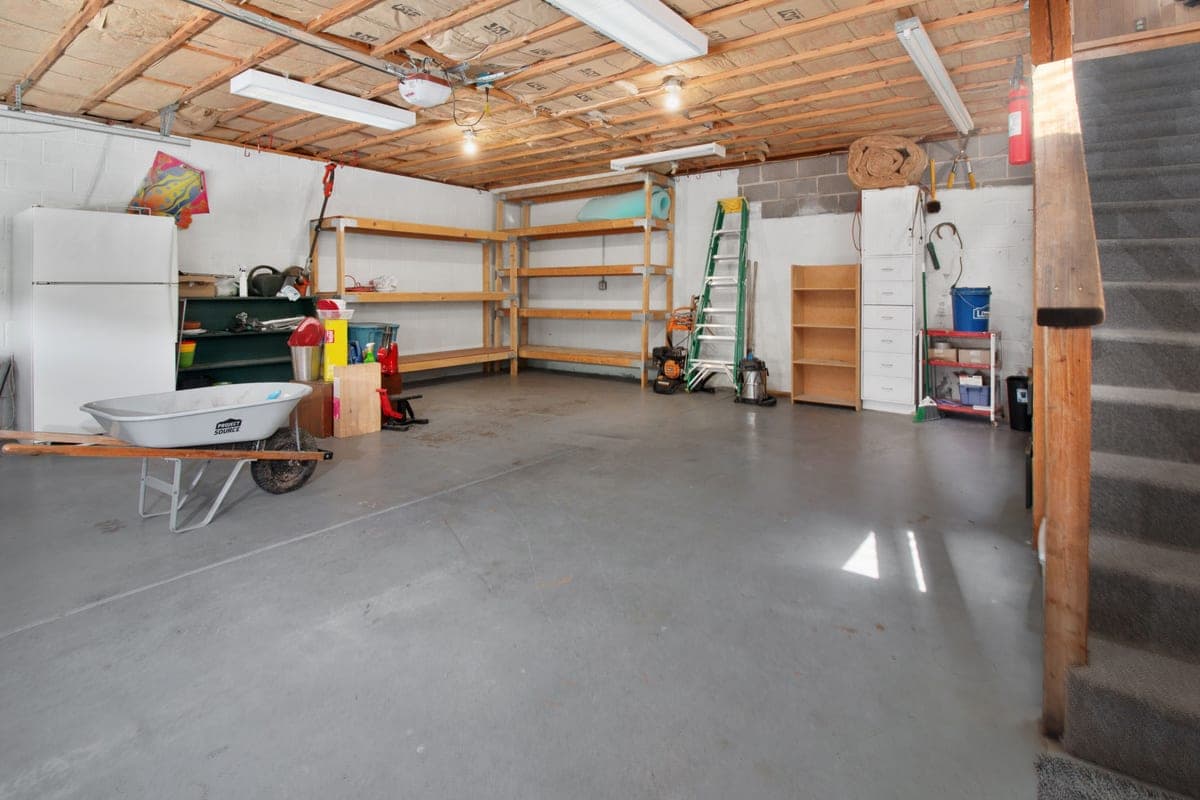
Why a garage is the worst place for a can, and seven fixes specific to it.
Bacteria digesting protein and fat in a warm, damp, low-oxygen space. Everything that works, works by removing one of those four conditions.
The specific compounds are worth knowing because they tell you what to do. Putrescine and cadaverine come from breaking-down protein — meat scraps, dairy, the bottom of a takeout container. Hydrogen sulfide, the rotten-egg note, comes from sulfur compounds in eggs, brassicas and onion. Ammonia, which is what people usually mean when they say a can smells sharp rather than rotten, comes from nitrogen breakdown and is especially common where pet waste or diapers are involved.
The reason that matters: these are produced at the wet surfaces inside the can, and then they collect in the headspace under the lid. So the two effective places to intervene are the residue at the bottom and the air under the lid. Sprinkling something over the top of a full bag does neither particularly well.
In order of cost, cheapest first. Do not skip to step four.
Three problems in this hub are urgent rather than annoying, and they have their own pages because the sequencing matters.
Maggots mean a fly has laid in your can, usually within the last day or two — they hatch fast in warm weather. That is a same-day job and the safety note comes before the method. Fruit flies are a breeding-cycle problem: you will not trap your way out of one while the breeding site is still there, so the order of operations is find the source, then trap the adults. And a can that smells even after you have cleaned it usually has residue somewhere you have not looked — under the rim lip, in the pedal mechanism, or in the floor beneath it.
Garages are their own case, because heat, no airflow and a can that sits for a week compound each other. That one is here.
Wash the can itself first — almost every persistent smell is dried residue from a leaked bag, and no deodorizer works over it. Then move food scraps out of the main can, and empty more often rather than buying bigger. The seven-step version is here.
Three usual culprits: residue under the rim lip where the bag folds over, liquid that has run into the pedal mechanism or the base, and the floor underneath the can. All three are easy to miss because you cannot see them from above.
With caveats. Activated carbon genuinely removes odor molecules by adsorption until its surface is saturated. Baking soda neutralizes acidic compounds. Fragranced products mask rather than remove, and plenty of people find the result worse. The distinction matters and we lay it out here.
Manufacturers generally state one to three months depending on the product and how heavily the can is used. There is no indicator to tell you it is spent — a saturated filter looks identical to a new one — so it is a calendar job. Per-brand intervals here.
Boiling water is the fastest and needs nothing you do not already have, but read the safety note first — do not pour it into a plastic can you care about, and never into a can you are standing over. Full method, in order.