Skip to content
Lid & Liner
Odor Control

The best trash cans for cat litter

Five picks compared on the thing that actually matters with scooped clumps: how long the container holds ammonia before you notice it. The top pick is the Litter Genie Plus.

By Ryder M. · Last reviewed September 29, 2026

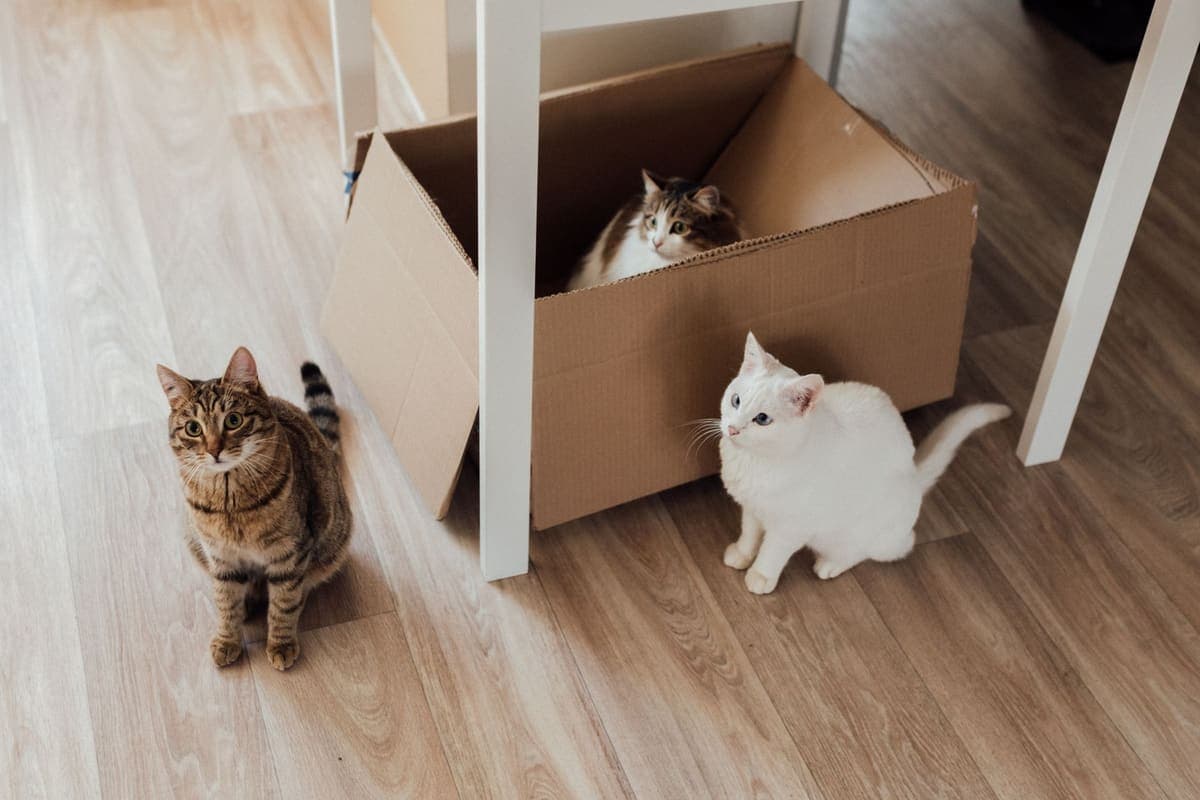
Two cats at home on a wood floor beside a cardboard box

Lid & Liner is reader-supported. If you buy through a link on this page we may earn a commission at no extra cost to you. It never changes which product we rank first — how we pick and how we make money.

The short answer

Buy the Litter Genie Plus if you want to stop walking clumps to the outdoor can twice a day, and the Ubbi Steel Diaper Pail if you would rather use ordinary kitchen bags and never buy a refill. If a dog is the problem rather than the smell, go straight to the simplehuman 50L with the slide lock.

#ProductBest forPrice
01
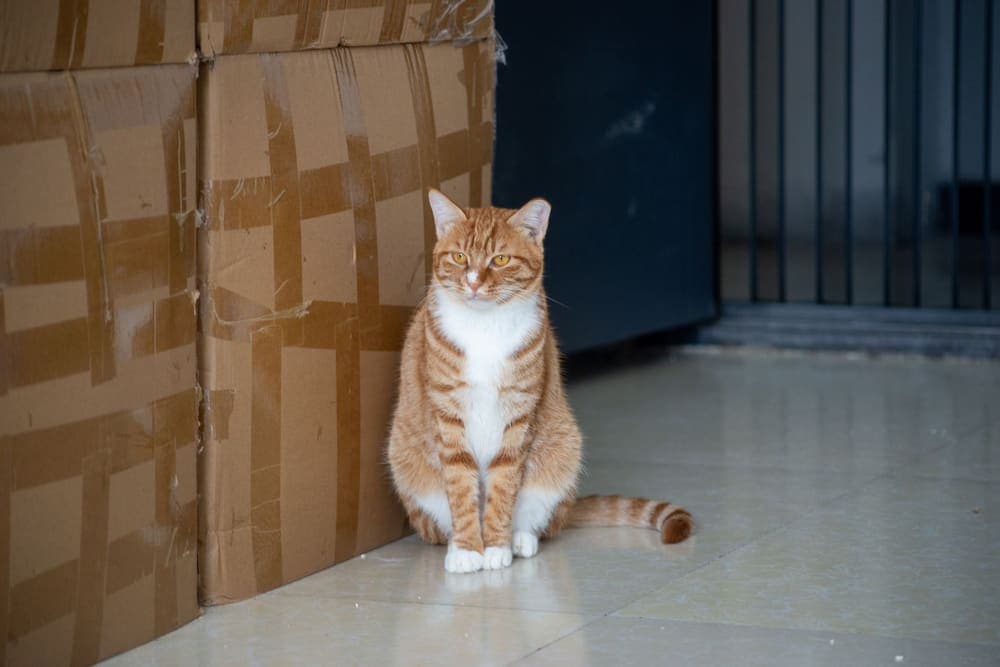
Cat sitting beside the corner where a litter pail lives
Litter Genie Plus Cat Litter Disposal PailA small-footprint pail that holds about two weeks of scooped clumps for one cat behind an odor-barrier film.
Best for cat litter
02
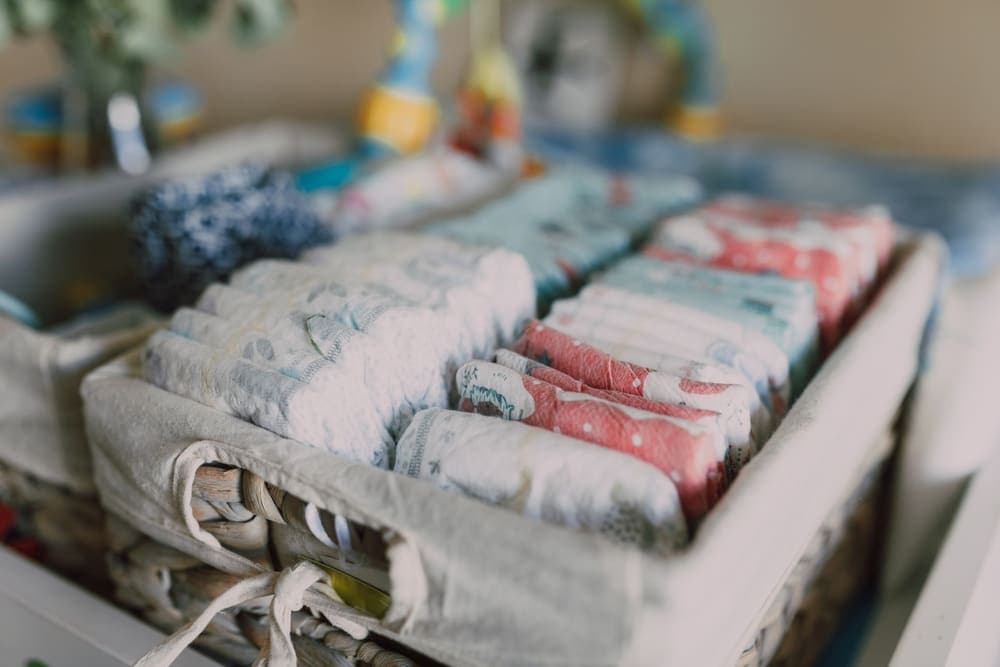
Steel diaper pail beside a nursery changing table
Ubbi Steel Diaper PailThe steel diaper pail that runs on ordinary kitchen bags, so the odor control is in the body rather than in a subscription.
Best diaper pail overall
03
Semi-round plastic step trash can with a lid slide lock
simplehuman 50L Semi-Round Step Can with Slide LockThe same semi-round shape with a slide lock that physically holds the lid shut against a determined dog.
Best for pets
04
Brushed stainless steel touchless kitchen trash can
iTouchless 13 Gallon SensorCan with AbsorbX Odor FilterThe touchless can that ships with a carbon filter in the lid and takes ordinary 13-gallon bags, at a fraction of the premium price.
Best touchless value
05
Odor control pod for a kitchen trash can lid
simplehuman Odorsorb PodA plant-oil pod that clips under the lid and works for around 45 days — the right place to put odor control.
Best in-lid pod

Cat waste is a different problem from kitchen waste and needs a different container. A clump does not stop reacting when you seal it: urea keeps breaking down into ammonia inside the bag, the pressure finds the weakest part of the seal, and that is why a bag of clumps in a kitchen can announces itself long before the kitchen trash does.

How we picked

We have not tested these side by side and we do not claim to have. What we did was take each manufacturer's published mechanism at face value, check which ones use a barrier film rather than an ordinary bag, and rank on how well each addresses the specific chemistry of scooped litter rather than general trash. Methodology and disclosure.

The criteria: whether the container seals the waste away from room air rather than just covering it; whether the body material absorbs odor over months; whether it opens one-handed while you are holding a scoop; running cost; and whether a dog can get into it, because a surprising share of the people searching for this are solving that problem rather than the smell one.

We did not rank on fragrance. A scented pail smells of scent and ammonia rather than of ammonia, and most cat owners find that a downgrade. Containment and material, not perfume.

The picks in full

Cat sitting beside the corner where a litter pail lives

01 — Best for cat litter

Litter Genie Plus Cat Litter Disposal Pail

A small-footprint pail that holds about two weeks of scooped clumps for one cat behind an odor-barrier film.

Holds
Up to 14 days of litter for one cat
Refills
Standard 14 ft, Jumbo 28 ft, Jumbo Eco compostable 28 ft
Odor control
Multi-layer barrier film plus pail antimicrobial
Included
Pail, one refill, scoop and scoop holder
Colors
Black or silver

Scooped clumps are the worst-smelling thing in a house because ammonia keeps forming after the clump is sealed. Litter Genie's answer is a multi-layer barrier film plus an antimicrobial in the pail body that targets the bacteria driving the odor, and a flap that drops the clump through without opening the whole pail. It holds up to 14 days for one cat, so you stop walking to the outdoor can twice a day, and it ships with a scoop and a scoop holder.

What we'd flag: proprietary refills, and you will get through them faster than the marketing suggests if you have more than one cat. Two cats roughly halves every figure on the box.

Steel diaper pail beside a nursery changing table

02 — Best diaper pail overall

Ubbi Steel Diaper Pail

The steel diaper pail that runs on ordinary kitchen bags, so the odor control is in the body rather than in a subscription.

Capacity
About 20 large or 55 newborn diapers
Bags
Any standard kitchen trash bag
Body
Powder-coated steel
Seal
Silicone seal ring
Lock
Childproof
Dimensions
8.4" W x 19.5" H x 11.4" D
Warranty
3 years against manufacturing defects

Two design decisions do the work. The body is powder-coated steel rather than plastic, and steel does not absorb the odor compounds that make a two-year-old plastic pail smell even when it is empty. The lid slides rather than swings, so it displaces almost no air when you open it — a swinging lid pumps the pail's headspace into the room every time. A silicone seal ring closes the gap, a childproof lock keeps toddlers out, and Ubbi states a three-year replacement warranty against manufacturing defects.

What we'd flag: a sliding lid has a small opening, and you push each diaper through it with your fingers. Parents who want to drop a diaper in without touching the pail should look at a foot-pedal model instead.

Semi-round plastic step trash can with a lid slide lock

03 — Best for pets

simplehuman 50L Semi-Round Step Can with Slide Lock

The same semi-round shape with a slide lock that physically holds the lid shut against a determined dog.

Capacity
50 liters / 13.2 gallons
Lock
Mechanical slide lock
Pedal rating
150,000 steps (manufacturer figure)
Body
Plastic
Lid
Soft-close (Lid Shox)

Dogs do not defeat trash cans by cleverness, they defeat them by weight — nosing the lid until it lifts. A mechanical slide lock removes that possibility entirely, and unlike a strap it does not need re-fitting every time you empty the can. The plastic body also survives being knocked over, which a brushed steel one does not, cosmetically.

What we'd flag: the lock is a conscious action. You have to slide it every single time, and the first week you will forget. If you know you will not do it, buy a can with a heavier lid instead.

Brushed stainless steel touchless kitchen trash can

04 — Best touchless value

iTouchless 13 Gallon SensorCan with AbsorbX Odor Filter

The touchless can that ships with a carbon filter in the lid and takes ordinary 13-gallon bags, at a fraction of the premium price.

Capacity
13 gallons / 50 liters
Dimensions
12.7" L x 10.7" W x 27.3" H (35.7" with the lid open)
Power
4 x D batteries, or an optional AC adapter
Odor control
AbsorbX natural activated carbon filter
Lid lock
Yes
Warranty
1 year

iTouchless builds an activated-carbon AbsorbX filter into the lid rather than selling it as an accessory, which is the right call — the lid is where the smell sits. A 12-inch opening takes a standard 13-gallon bag, there is a lid lock to keep pets and children out, and the base is non-skid. It runs on four D cells, or an AC adapter sold separately.

What we'd flag: the warranty is one year, against ten on the Brabantia. That is a short warranty for a product with electronics in it.

Odor control pod for a kitchen trash can lid

05 — Best in-lid pod

simplehuman Odorsorb Pod

A plant-oil pod that clips under the lid and works for around 45 days — the right place to put odor control.

Duration
~45 days (manufacturer figure)
Formula
Plant-oil based
Fitment
Clips under the lid

Odor collects in the headspace under a closed lid, not at the bottom of the bag, which is why powders sprinkled into the can underperform. A pod clipped into the lid sits in that headspace. simplehuman states roughly 45 days per pod.

What we'd flag: 45 days means eight pods a year, indefinitely. That is a running cost, and it does nothing about a can that needs washing — a pod on a dirty can is perfume over a problem.

Why scooped litter beats an ordinary trash can

Ammonia keeps forming after you bag it

Urea in cat urine is broken down by bacterial urease into ammonia, and that reaction continues inside a sealed bag. An ordinary kitchen liner is thin polyethylene, which ammonia passes through readily. A multi-layer barrier film is built specifically to resist it, and that is the real argument for a litter pail over a bag in a bin.

Clumps are heavy and sharp-edged

Clumping litter is bentonite clay. A week of clumps is startlingly heavy for its volume, and the hard edges work at a thin liner until it splits. If you are using a normal can, use a thicker bag than you think you need and do not let it get more than half full. Bag strength, compared properly.

Bag it and bin it — do not flush it

Clay and clumping litters will block a drain, and even litters sold as flushable are rejected by many municipal systems. Cat waste can also carry Toxoplasma gondii, which is why public health guidance advises against composting it and advises pregnant people to avoid scooping altogether.

If the dog is the actual problem

A dog eating litter out of the bin is common, unpleasant and occasionally an obstruction risk. Weight will not stop it and a heavier lid only slows it down. The fix is a mechanical lock between lid and body — a slide lock or a locking-lid step can. The full dog-proofing options.

Which one for which household

If this is youBuyWhy
One cat, apartment, no outdoor can nearbyLitter Genie PlusUp to 14 days behind a barrier film, small footprint
You refuse to buy refillsUbbi Steel Diaper PailSteel body, sliding lid, any kitchen bag
The dog raids the binsimplehuman 50L with Slide LockA mechanical lock a dog cannot nose open
Litter goes in the main kitchen caniTouchless 13 Gallon SensorCanHands-free, with a carbon filter in the lid
Your can is fine, the smell is notsimplehuman Odorsorb PodTreats the lid headspace of a can you already own

Two or more cats changes the arithmetic on every pail here: the published day counts are for one cat, so halve them. At three cats, a lidded can emptied to the outdoor bin daily usually beats any pail on both cost and smell.

Common questions

What is the best trash can for cat litter?

The Litter Genie Plus, because the multi-layer barrier film and the antimicrobial in the pail body address ammonia specifically rather than just covering the waste. If you object to proprietary refills, the Ubbi Steel Diaper Pail is the best container that takes ordinary kitchen bags.

Can I put cat litter in a normal kitchen trash can?

Yes, but use a thicker bag, do not fill it past half, and empty it to the outdoor can daily. Ammonia forms continuously inside the bag and passes through thin polyethylene, which is why a week-old bag of clumps smells and a week-old bag of packaging does not.

Is a Litter Genie worth it for two cats?

Less so. The 14-day figure is for one cat, so expect about a week with two, and the refill cost roughly doubles. At two or more cats, many owners do better with a lidded can emptied daily to the outdoor bin.

How do I stop my dog getting into the litter bin?

A mechanical lock, not weight. A slide lock or a locking-lid step can physically holds the lid to the body; a heavier lid only makes it take longer. A pull-out can behind a cabinet door is the other reliable answer.

Can cat litter go down the toilet?

No for clay and clumping litters, which will block a drain, and generally no even for litters sold as flushable, because many municipal systems ask you not to. Bag scooped waste and put it in the trash.

Does a carbon filter help with litter smell?

A little, on the air in the lid headspace. It will not out-work ammonia still being produced inside the bag, and it will not touch residue on the container walls. Use it after you have washed the container, not instead.

Sources

Every specification on this page traces to one of these, checked at the time of writing. Where a manufacturer does not publish a figure, the page says so rather than estimating it.

Read next

The author

Ryder M.

Owner and editor of Lid & Liner, published by Magoo Media Group. He started the site after getting tired of the same problem everyone has: every “best trash can” article covers ten products and none of them tells you whether a 13-gallon bag actually fits a 13-gallon can. Lid & Liner covers one category and tries to cover it completely.

Last reviewed September 29, 2026. Spotted an error? Tell us and we will correct it and note the correction.